
The Diabetes Plate Method: A Simple Guide to Balanced Meals
By Muhammad Mustafa Khan ·
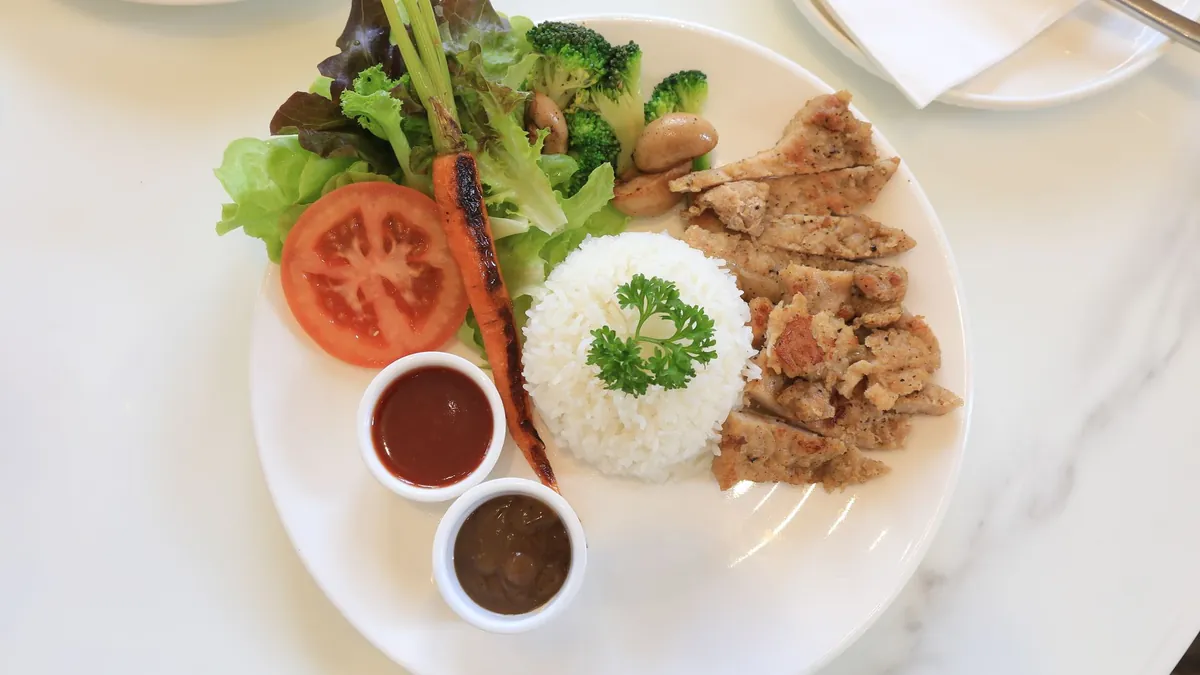
Counting every gram of carbohydrate can feel overwhelming, especially when you are new to managing diabetes or cooking for someone who is. The plate method is a simple, visual way to build balanced meals without a calculator. It follows the approach published by the American Diabetes Association, and many people find it the easiest place to start.
Important: this article is general information, not medical advice. Your doctor, diabetes educator or registered dietitian can help you set targets that are right for you, especially if you take insulin or other medications that affect blood sugar.
What Is the Plate Method?
The plate method uses a standard 9-inch dinner plate as your guide. You divide it into sections:
- Half the plate: non-starchy vegetables
- One quarter: lean protein
- One quarter: carbohydrate foods, such as whole grains, starchy vegetables, beans or fruit
- On the side: a glass of water or another zero-calorie drink
That is it. No apps, no weighing, no complicated math. Just a balanced plate that is easy to picture at home, at work or at a restaurant.
Half Your Plate: Non-Starchy Vegetables
Non-starchy vegetables are low in carbohydrate and high in fiber, vitamins and volume. They help fill you up and slow down how quickly a meal is digested. Good choices include:
- Broccoli, cauliflower and Brussels sprouts
- Green beans, asparagus and zucchini
- Spinach, kale and salad greens
- Peppers, mushrooms, tomatoes and cucumbers
- Cabbage, carrots and onions
Fresh, frozen and canned (no salt added) all count. Roasting with a little olive oil and seasoning makes them taste great.
One Quarter: Lean Protein
Protein helps you feel full and has little direct effect on blood sugar. Good options:
- Chicken or turkey without the skin
- Fish and seafood such as salmon, tuna, tilapia and shrimp
- Eggs
- Lean cuts of beef or pork
- Tofu and tempeh
- Low-fat cottage cheese or plain Greek yogurt
Baking, grilling, roasting and air frying are healthier than deep frying.
One Quarter: Carbohydrate Foods
Carbohydrates have the biggest effect on blood sugar, which is why the plate method keeps them to a quarter. Choose higher-fiber options when you can:
- Brown rice, quinoa or whole-wheat pasta
- Whole-grain bread or tortillas
- Starchy vegetables such as sweet potatoes, potatoes, corn and peas
- Beans, lentils and chickpeas
- Fruit
- Milk or yogurt
A quarter of a 9-inch plate is smaller than many people expect. It helps to use measuring cups for a week or two until you can "eyeball" it.
Example Plate Method Meals
Breakfast: Scrambled eggs with spinach and peppers (protein and vegetables), plus one slice of whole-grain toast (carbohydrate).
Lunch: Big salad with grilled chicken, cucumbers and tomatoes (vegetables and protein), plus a small whole-wheat roll or a half cup of beans (carbohydrate).
Dinner: Baked salmon (protein), roasted broccoli and carrots (vegetables), and a small sweet potato (carbohydrate).
Using the Plate Method When Eating Out
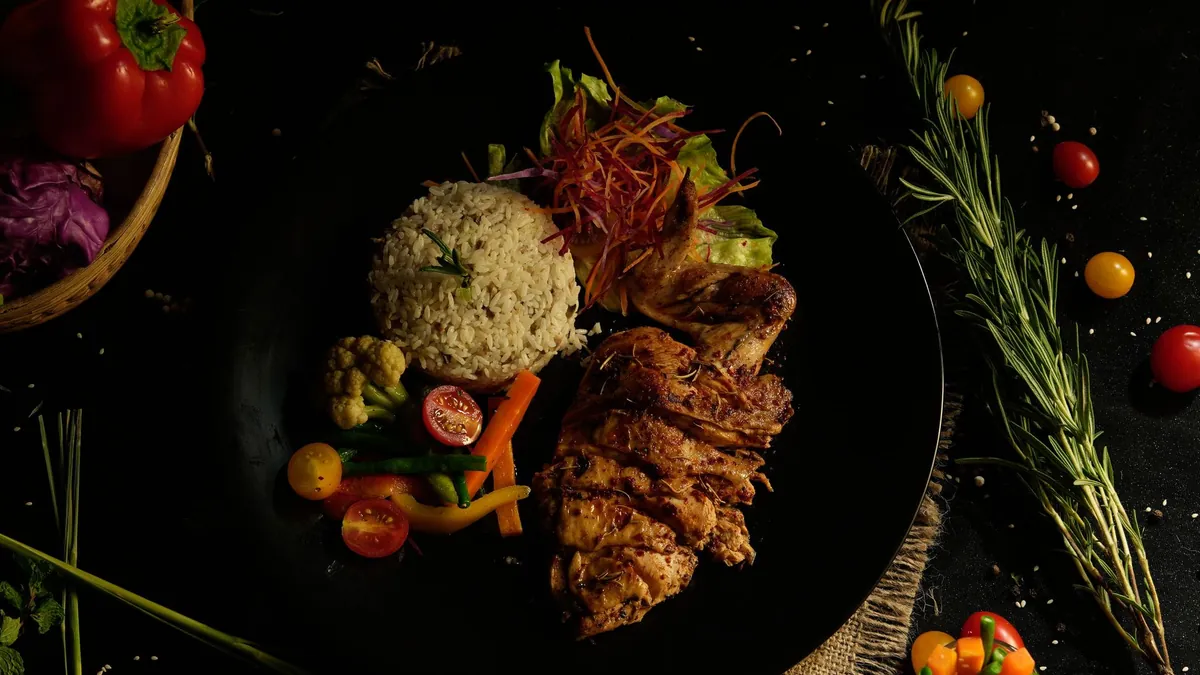
Restaurant portions are often far bigger than a 9-inch plate. A few tips:
- Ask for extra vegetables instead of fries or a large side of rice.
- Eat half of a large pasta or rice dish and take the rest home.
- Choose grilled or roasted dishes over fried ones.
- Picture the plate method on whatever plate you are served.
Our article on diabetes-friendly eating at restaurants has more practical ordering tips.
What About Mixed Dishes Like Casseroles?
Soups, casseroles and stir-fries do not divide neatly into sections. Do your best to estimate. A good approach is to serve a smaller portion of the mixed dish and add a side salad or steamed vegetables to fill the vegetable half of the plate.
Make the Plate Method Easier With a Plan
The plate method is simple, but deciding what to put on the plate every day still takes energy. A written meal plan and grocery list can help. The 30-Day Diabetes Meal Plan and Grocery Guide maps out a month of balanced breakfasts, lunches, dinners and snacks with carb counts listed and aisle-by-aisle grocery lists. It is general information to use alongside your care team's advice, not a replacement for it.
Tips for Success
- Use a 9-inch plate. Large plates make portions grow without you noticing.
- Fill the vegetable half first. It makes the rest of the plate easier.
- Check your blood sugar as your care team recommends to learn how different meals affect you.
- Be consistent. Eating at regular times can make it easier to manage blood sugar.
- Drink water. Skip sugary drinks, juice and regular soda.
Final Thoughts
The plate method takes a complicated subject and makes it visual and practical. Half vegetables, a quarter protein, a quarter carbohydrates and a glass of water. Start with one meal a day, notice how you feel, and talk with your care team about how it fits your personal plan.
Frequently asked questions
What is the diabetes plate method?
It is a simple way to build balanced meals using a 9-inch plate: half non-starchy vegetables, one quarter lean protein, one quarter carbohydrate foods, and water or another zero-calorie drink.
Does the plate method replace carb counting?
Not necessarily. Some people use it on its own, while others combine it with carb counting. Ask your doctor or diabetes educator which approach is right for you.
What size plate should I use for the plate method?
A standard 9-inch dinner plate. Larger plates make it easy to serve bigger portions without noticing.
Can I eat fruit with the plate method?
Yes. Fruit counts as part of the carbohydrate quarter of the plate, or it can be a planned snack.
- #diabetes plate method
- #diabetes friendly meals
- #balanced meals
- #meal planning