
Keto for Beginners: A Simple 7-Step Starter Guide
By Muhammad Mustafa Khan ·
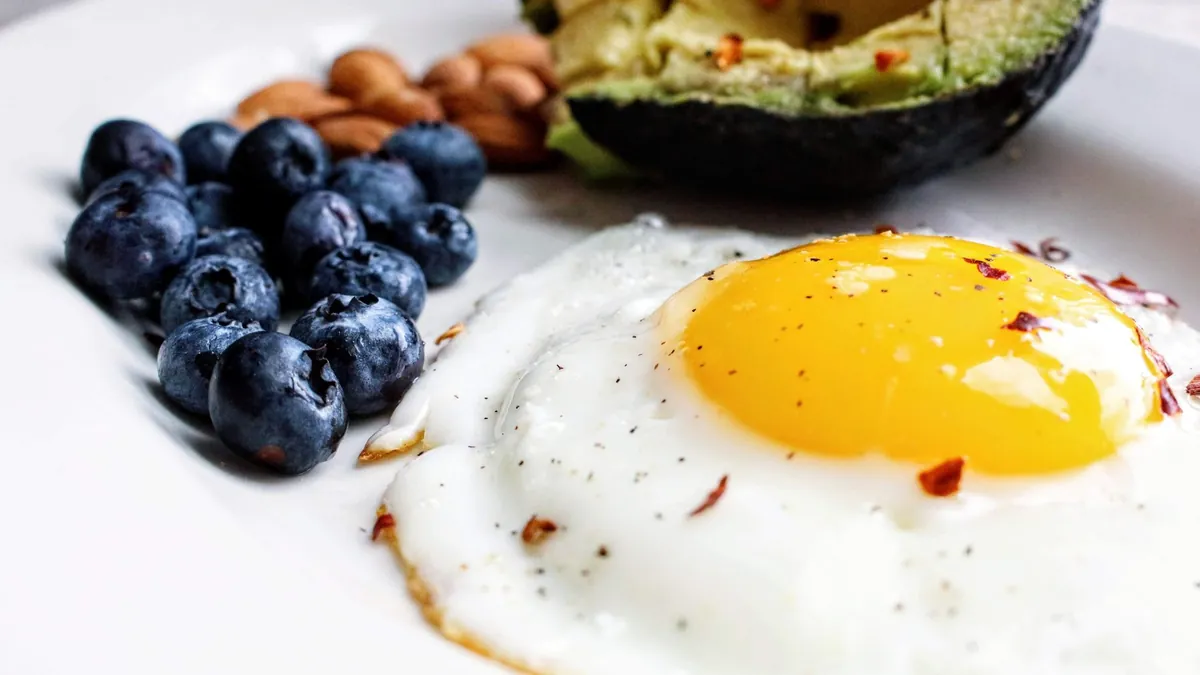
Starting keto can feel like learning a new language. Everyone online seems to have a different rule, a different app and a different opinion on how many grams of everything you should eat. The good news is that the basics are simple, and you do not need to get everything perfect on day one. This guide walks you through seven practical steps that help most beginners build a routine they can actually stick with.

A quick note before we begin: this is general cooking and lifestyle information, not medical advice. If you take medication, are pregnant, or have a health condition, talk with your doctor before making a big change to the way you eat.
Step 1: Understand What Keto Actually Is
Keto is a way of eating that keeps carbohydrates low and builds meals around protein, healthy fats and non-starchy vegetables. Most people following a standard approach aim for roughly 20 to 50 grams of net carbs per day. Net carbs are total carbs minus fiber, which is why leafy greens and other high-fiber vegetables are so useful.
You do not need to memorize a chart. Think of each plate as having three parts: a palm-sized portion of protein, a generous pile of low-carb vegetables, and some fat for flavor, such as olive oil, butter or cheese.
Step 2: Clear Out the Biggest Carb Sources
You do not have to empty your whole pantry, but it helps to move the most tempting high-carb foods out of sight. The usual suspects are:
- Bread, tortillas, bagels and crackers
- Pasta, rice and potatoes
- Breakfast cereal and granola
- Soda, sweet tea and juice
- Candy, cookies and most packaged snacks
If other people in your home still eat these foods, give them their own shelf. Out of sight really does help keep them out of mind during the first couple of weeks.
Step 3: Build a Short, Simple Grocery List
Beginners often overspend because they buy every specialty keto product they see. Start with whole foods you already know how to cook:
- Protein: eggs, chicken thighs, ground beef, canned tuna, salmon, pork chops
- Vegetables: spinach, broccoli, cauliflower, zucchini, green beans, bell peppers, salad greens
- Fats: olive oil, butter, avocado, cheese, heavy cream
- Extras: nuts, sugar-free seasonings, pickles, salsa, mustard
A short list keeps your costs down and your decisions easy. If money is tight, our post on building a keto grocery list on a budget breaks this down item by item.
Step 4: Plan Just Five Dinners
Planning a whole month is overwhelming. Plan five dinners for the coming week and let lunches be leftovers. A beginner-friendly week might look like this:
- Sheet pan chicken thighs with broccoli
- Bunless burgers with a side salad
- Salmon with garlic butter green beans
- Taco lettuce wraps with cheese and salsa
- Cauliflower fried rice with eggs and pork
Repeat the meals you like. Repetition is not a failure; it is how busy people stay consistent. If you would rather follow a done-for-you routine, the 21-Day Lazy Keto Kickstart guide lays out simple rules and a repeating weekly plan so you do not have to plan from scratch.
Step 5: Expect an Adjustment Period
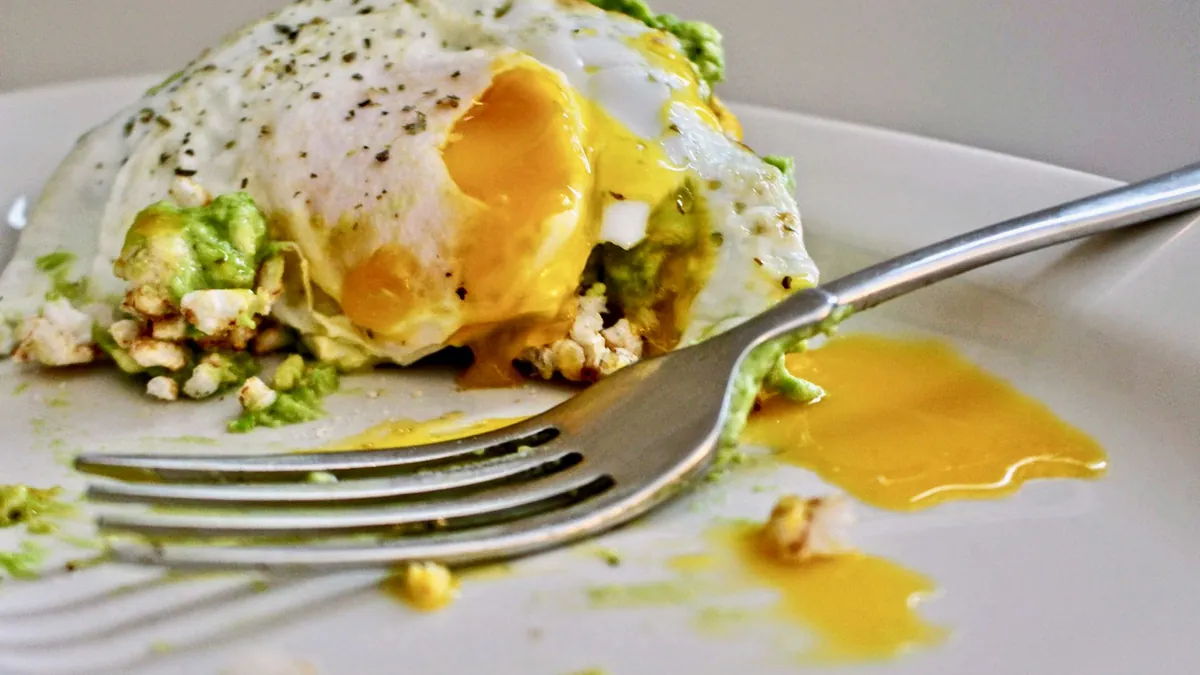
Some people feel tired, foggy or a little grumpy during the first week or so as their body adjusts to fewer carbs. This is often called the "keto flu." Many people find that drinking enough water, adding a little extra salt to food and eating enough overall helps them feel better. If you feel unwell or the symptoms do not ease, stop and check in with a health professional.
It also helps to keep your first week calm. Do not combine a brand-new way of eating with a brand-new intense workout plan. Walk, sleep well and give yourself time.
Step 6: Keep Snacks and Backup Meals Ready
Most beginners do not quit because of dinner. They quit at 3 p.m. at work or at 9 p.m. in front of the TV. Keep easy options within reach:
- Hard-boiled eggs
- String cheese or cheese crisps
- A handful of almonds or pecans
- Celery with cream cheese or nut butter
- Pepperoni slices or deli roll-ups
Also keep one or two backup meals in the freezer or pantry, such as frozen cooked chicken or canned salmon, for the nights when plans fall apart.
Step 7: Track Lightly, Then Adjust
You do not need to track every bite forever. For the first week or two, it can help to write down what you eat so you learn where carbs hide in sauces, dressings and snacks. After that, many people move to simple habits instead of strict tracking.
Pay attention to how you feel, how your clothes fit and how your energy holds up across the day. Progress is rarely a straight line, and small, steady changes add up over time.
Putting It All Together
Keto does not have to be complicated. Clear out the biggest carb sources, shop from a short list, plan five dinners, keep snacks ready and give yourself a little grace during the first week. Once those basics feel normal, you can explore new recipes, desserts and meal prep routines.
The most important step is the next meal. Make it simple, make it something you enjoy, and build from there.
Frequently asked questions
How many carbs can I eat on keto as a beginner?
Many beginners aim for about 20 to 50 grams of net carbs per day. Net carbs are total carbs minus fiber. If you have a health condition or take medication, ask your doctor what is right for you.
Do I need special keto products to start?
No. Eggs, meat, fish, cheese, low-carb vegetables and healthy fats are enough to start. Specialty products are optional and can make the grocery bill much higher.
What is the keto flu?
It is a name for the tired, foggy feeling some people notice during the first days of cutting carbs. Drinking enough water and getting enough salt and food often helps. If you feel unwell, talk to a health professional.
Can I follow keto without counting everything?
Yes. Many people track for a week or two to learn where carbs hide, then switch to simple habits such as building each plate around protein and vegetables.
- #keto
- #keto for beginners
- #low carb
- #meal planning